Back to School | Curriculum | Math | Reading
2nd Grade Morning Work
For the past couple of years, I have been using my 1st grade Morning Work packets every morning. I have had many requests over the years to create a 2nd grade version. This summer, I finally decided to tackle this project.

It is similar to the first grade morning work in many ways, but I did make some changes. Obviously, the content is different since it’s geared towards 2nd graders. I have rotated back and forth between 2nd grade sight words and short reading passages with a comprehension skill. I have also added an explanation component to the daily word problem.
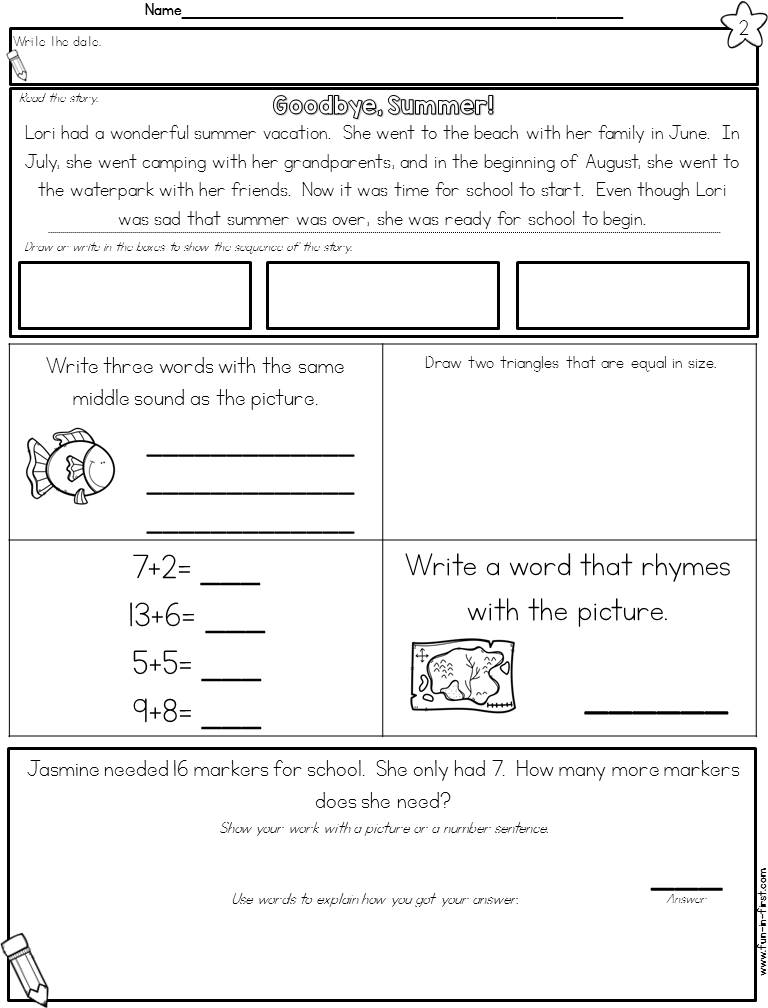

I did not include the Common Core Standards that are addressed on each page like I did with the 1st grade packet. Indiana, as well as many other states, have stopped using CC, and have readopted their own standards. For this reason, I did not include these. However, they do address MANY different reading and math standards.
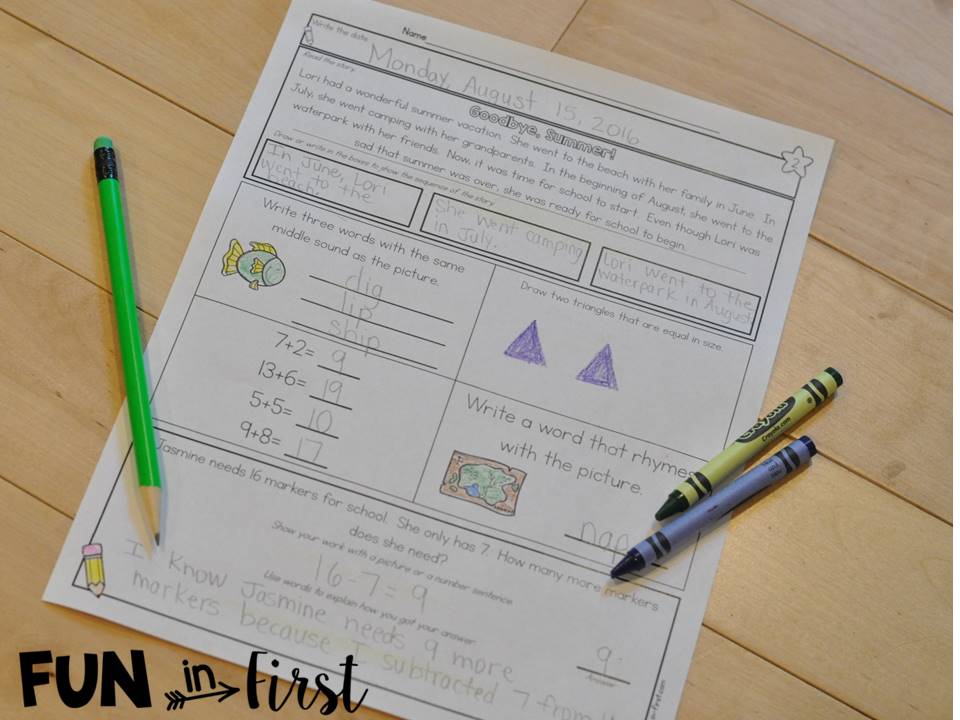
As of right now, I only have the first quarter of the 2nd grade packet finished. I will be working on the other three sections this summer. These can be purchased separately by quarters, or as a year long BUNDLE. Just click on either of the pictures below to check them out.

The bundle is a growing bundle that only includes the first quarter as of now. As I finish up each of the other three sections, you will be able to redownload the product at no additional charge if you purchase the bundle.



This looks great! I like how you’ve added reading comprehension and explanation skills to make the morning work more engaging and meaningful for 2nd graders. Smash Karts Game
So excited you finally made a 2nd-grade version! I used your 1st-grade packets for years and they literally saved my sanity during those chaotic mornings. I really love that you added the short reading passages and the explanation part for word problems—so needed for this age group! Honestly, without a solid morning routine like this, my students would just try to play Clicker Games on their Chromebooks the second they walk in. Definitely grabbing the year-long bundle right now!
Adding an explanation component to the daily word problem is a thoughtful change for 2nd Grade Morning Work. It gives the answer a second purpose: showing how a student reached it. Size Comparison Game could support a similar conversation as an optional visual activity, with learners explaining the reference points behind an estimate. I also like the balance between sight words and short reading passages, since a consistent routine can still offer variety in the thinking involved.
Leaving out the Common Core Standards makes sense given Indiana’s shift. The daily word problem explanation seems like a solid way to build reasoning.
GoW Laufey Wiki
Rotating between sight words and short reading passages seems like a solid way to keep 2nd graders engaged while building different skills.
2nd Grade Morning Work seems like a useful place to make room for short vowel sounds and repeated reading practice when the school day already feels packed. Whether you’re helping your boyfriend learn something new or supporting a child with reading, patience and small opportunities to practice matter. I’d be curious how you balance independent morning tasks with extra support for students who are still connecting letters and sounds.
The idea of 2nd Grade Morning Work makes me think about how much a short daily routine can cover. Phonemic awareness and addition fact strategies seem like useful skills to revisit, while prosody could fit into a quick read-aloud instead of another worksheet. I recently came across the name malfoid, and it came to mind while thinking about playful morning activities. How do you balance independent work with practice that needs a partner?
The first week of school sounds exhausting, especially while establishing routines for 2nd Grade Morning Work. I wonder whether a little space for students to draw the border around their answers could bring some of that classroom color into the morning routine. With students at various reading levels, would you introduce the directions together first, then let them work independently while you prepare for small group instruction?
The title 2nd Grade Morning Work made me think about how much the opening routine shapes the day. The mention of interactive writing and reading fluency raises a useful question: how do you balance independent practice with activities that need teacher support? I recently came across the name Alors On Danse AI, which came to mind while thinking about creative prompts. Would you include a short shared writing prompt before students begin working independently?
The point about how the morning starts setting the tone for the day stood out to me while reading 2nd Grade Morning Work. With sight words needing so much repetition, a predictable morning routine seems like a useful place for a little practice. It also reminded me of a project called noillirk that I recently came across. Do you find music helps students settle in, or does it work better once everyone has started?
The title 2nd Grade Morning Work makes me think about how a predictable start could leave more room for small reading groups later. Your point about watching things click for beginning readers stood out, especially alongside how difficult comprehension can be to teach. I recently came across the name PvZ Lawn, which got me thinking about playful morning prompts. Do you find a consistent routine helps students settle into reading tasks more independently?
The title 2nd Grade Morning Work made me think about how much a short morning routine needs to accomplish. Your point about deciding how much time to spend on standards feels especially relevant when sight words and phonemic awareness both need attention. I recently came across Feetle, and it reminded me to consider games alongside written practice. Would you keep the morning tasks consistent all week or rotate the skills each day?
The focus on practice, patience, and perseverance made me think about how 2nd Grade Morning Work could give students a manageable daily reading routine. Knowing letters and sounds is one step, while learning to read words fluently takes repeated practice. I recently came across noillirk, and that same idea of building a routine came to mind. How do you balance independent morning tasks with support for children who still need help connecting letters to sounds?
Rotating 2nd grade sight words with short reading passages gives me a diagnostic. If a packet stalls, I would test that balance before adding worksheets.